Semuliki National Park the birdwatchers’ haven
Semuliki National Park, the birdwatchers’ haven: Semuliki National Park is a prime destination for a birdwatching holiday in Uganda at any time of the year. Its untouched forests are a habitat for over 435 bird species representing over 40% of Uganda’s total population. Semuliki is a true bird’s haven because it is the only place in East Africa where the Central Congolian Rainforest Biome birds come together.
Semuliki National Park is located in Bundibugyo District, covering a total area of 220 square kilometers. From a forest reserve, it was gazetted into a national park in 1993 with an aim of protecting the vegetation and the different attractions, among which are the mammals, primates, and birds.
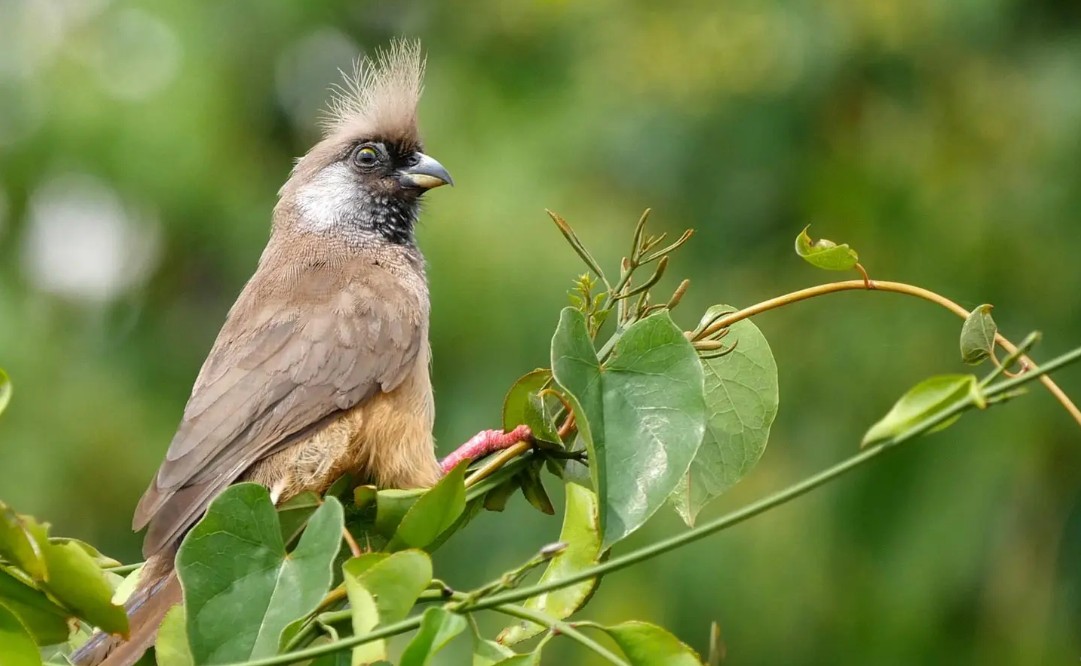
Bird watching is the most common activity in Semuliki National Park, where birders have an opportunity to spot over 435 bird species. 35 are Guinea-Congo Forest Biome species, 12 are endemic to the area, while 23 are Albertine rift endemic species. Bird watching within this park is carried out by experienced ranger guides and local birding guides who know the best birding spots around the park.
Birds of Semuliki National Park
Rameron pigeon, blue headed coucal, red chested cuckoo, common ringed plover, spur winged lapwing, greater painted snipe, marsh sandpiper, wood sandpiper, common greenshank, black winged pratincole, yellow spotted barbet, chestnut wattle eye, African shrike flycatcher, African dwarf kingfisher, western nector, fire crested alethe, red capped robin chat, red headed bluebill, nkulengu rail, three-banded plover, African goshawk, eastern long tailed hornbill.
Rufous chested swallow, black throated coucal, common cuckoo, white bellied kingfisher, African piculet, gray parrot, rattling cisticola, white throated greenbul, red tailed ant thrush, yellow breasted forest robin, martial eagle, black and white shrike flycatcher, black crowned tchagra, white winged black tit, whistling cisticola, plain greenbul, violet backed starling, spotted morning thrush, scarlet chested sunbird, fawn breasted waxbill, African pipit.
Black bellied bustard, eastern plantain eater, klaas’s cuckoo, fiery-necked nightjar, water thick knee, Senegal lapwing, blue naped mousebird, brown backed woodpecker, Nubian woodpecker, black cuckoo shrike, black headed gonolek, fort tailed drongo, Northen fiscal, white shouldered black tit, rufous naped lark, yellow billed oxpecker, whinchat, black headed weaver, red billed firefinch, white faced whistling duck, African crake, Eurasian moorhen, black crake.
Black winged stilt, long toed lapwing, common sandpiper, reed cormorant, little egret, little heron, squacco heron, great egret, purple heron, goliath heron, shoebill, great white pelican, lappet faced vulture, bateleur, western banded snake eagle, brown snake eagle, montagu’s harrier, African fish eagle, African gray hornbill, malachite kingfisher, pied kingfisher, lesser honeyguide, African gray woodpecker, moustached grass warbler, greater swamp warbler.
Swamp flycatcher, little weaver, African pied wagtail, spot-flanked barbet, Petit’s cuckooshrike, gray tit flycatcher, white-breasted nigrita, swamp nightjar, laughing dove, hadada ibis, crowned hornbill, red-throated bee eater, hairy breasted barbet, greater honeyguide, brown eared woodpecker, red shouldered cuckooshrike, northern puffback, yellow bellied hyliota, purple banded sunbird, red headed weaver, black necked weaver, spectacled weaver.
Abyssinian ground hornbill, little bee eater, swallow tailed bee eater, white throated bee eater, gray head kingfisher, broadbilled roller, yellow fronted tinkerbird, black billed barbet, double toothed barbet, cardinal woodpecker, Eurasian hobby, brown throated wattle eye, flappet lark, red faced crombec, green backed camaroptera, twany flanked prinia, black sawing, African red rumped swallow, pale throated greenbul, common bulbul, ruppell’s starling, northern wheatear.
Marico sunbird, house sparrow, helmeted guineafowl, red eyed dove, ring necked dove, African sacred ibis, hamerkop, long crested eagle, black kite, gray kestrel, pia paic, black kite, gray kestrel, pied crow, barn swallow, red cheeked cordonbleu, yellow throated longclaw, blue malkoha, African palm swift, African wooly necked stork, marabou stork, red billed dwarf hornbill, African pygmy kingfisher, chocolate backed kingfisher, eastern yellow billed barbet.
Spotted honeyguide, lemon bellied crombec, olive green camaroptera, buff throated apalis, red faced cisticola, red tailed bristlebill, brown illadopsis, orange breasted forest robin, collared sunbird, blue billed malimbe, bronze mannikin, jameson’s antpecker, black crowned waxbill, orange cheeked waxbill, common waxbill, western bronze naped pigeon, blue spotted wood dove, tambourine dove, great blue turaco, yellow throated cuckoo, African jacana.
African openbill, palm nut vulture, congo pied hornbill, black and white casqued hornbill, white thighed hornbill, piping hornbill, shinning blue kingfisher, blue throated roller, speckled tinkerbird, African hobby, western black headed oriole, jameson’s wattle eye, lowland sooty boubou, blue headed crested flycatcher, green crombec, yellow browed camaroptera, lesser stripped swallow, little greenbul, yellow whiskered greenbul, xavier’s greenbul, green hylia.
Pin tailed whydah, northern gray headed sparrow, western yellow wagtail, Egyptian goose, crested francolin, white browed coucal, wattled lapwing, western cattle egret, African harrier hawk, hooded vulture, white backed vulture, tawny eagle, lizard buzzard, speckled mousebird, willow warbler, purple headed starling, gray headed sunbird, blue throated brown sunbird, olive sunbird, red headed malimbe, black-bellied seedcracker, and chestnut-breasted nigrita among others.
What is the cost of bird watching in Semuliki National Park?
To carry out bird watching in Semuliki National Park, tourists need to first access the park. Entrance to the park is $35 for foreign non-residents, $25 for foreign residents, $20 for the rest of Africa, and UGX15,000 for citizens of East African Member States. Birdwatching costs $40 for foreign non-residents, $30 for foreign residents, and the rest of Africa, while citizens of East African member states pay UGX30,000.
What is the best time for birdwatching in Semuliki National Park?
Bird watching in Semuliki National Park is best done in April, May, and November, a period when there are lots of migratory birds within the park. There is plenty of food for the birds during these months because of the heavy rainfall, which supports plant growth. During the mentioned rainy months, good birders with enough time will be able to see more than half of the registered bird species.
Semuliki National Park is still open for bird watching during the dry season months from June to September and December to November. Birders will still be able to see the different birds there with the help of local birders and armed ranger guides. The park is dry with passable trails; vegetation is short, with a clear view of the birds; however, fewer will be spotted because of less food within the park.